
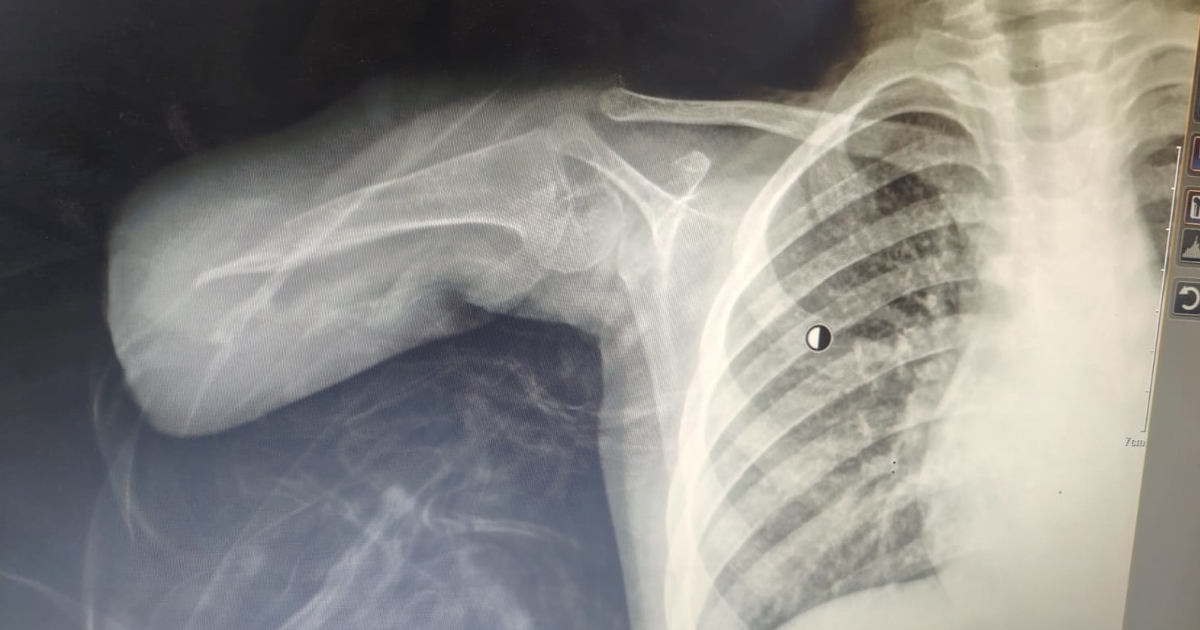
Some patients experience severe pain at the amputation site whenever it's touched, to the point that wearing a prosthetic becomes unbearable. In many of these cases, the cause is a neuroma that has formed at the tip of the cut nerve — not a cancerous growth, and one that can be treated.
What Is Severe Pain After Amputation and what is amputation Neuroma?
A neuroma is a non-cancerous cluster of nerve fibers that forms at the end of a nerve cut during amputation surgery. As the severed nerve tries to regenerate, it may not find a clear path to reconnect to, so it grows in a disorganized way and balls up on itself. This cluster becomes extremely sensitive, so even light touch, pressure, or friction from clothing can trigger sharp pain — a condition known medically as allodynia.
How Is It Different From Phantom Limb Pain?
Many patients confuse neuroma pain with phantom limb pain, but the two are entirely different. Phantom limb pain is a sensation of pain or tingling felt in the missing part of the limb itself, while neuroma pain is real, localized pain at the tip of the remaining limb — the amputation site — that flares up immediately with direct touch to that exact spot. Telling them apart matters, because the two are treated very differently.
What Are the Symptoms?
- Sharp pain or a burning sensation with any light touch to the amputation site.
- Inability to tolerate wearing a prosthetic device or splint because of the pain.
- An electric-shock sensation when a specific spot on the residual limb is pressed.
- Pain that worsens with movement or simple friction from clothing against the site.
What Causes a Neuroma, and How Is It Diagnosed?
A neuroma forms because the cut nerve tries to regenerate naturally without finding a clear path to reconnect to. In some cases, the exposed nerve ending also becomes directly attached to the skin during wound healing, and this attachment significantly increases sensitivity to touch, since any small movement of the skin is transmitted straight to the exposed nerve. Diagnosis relies on a clinical exam to pinpoint the exact source of pain, together with ultrasound imaging, which identifies the number and location of neuromas precisely before any treatment decision is made.
When Should You See a Doctor Urgently?
See your doctor without delay if the pain is accompanied by significant redness, increasing swelling, local warmth, or discharge from the amputation site — these can signal an infection that needs urgent care. Also seek prompt evaluation if the pain is severe enough to disrupt your sleep, or if it prevents you from using a prosthetic device for an extended period.
Can It Be Treated Without Surgery?
Yes — in milder cases, non-surgical options are worth trying first, such as physical therapy and desensitization exercises for the residual limb, nerve-pain medications, and sometimes local injections to calm the neuroma. But when pain is severe and persistent, or when it completely prevents prosthetic use — as in cases where the nerve has become attached to the skin — surgery is often the more effective solution.
When Is Surgery Necessary, and How Is It Done?
Surgery becomes appropriate when a clinical exam and ultrasound confirm one or more neuromas responsible for the pain, especially if they're attached to the skin or blocking prosthetic use. The operation involves precisely removing the neuroma, releasing any attachment between the nerve and the skin, and then burying the nerve ending inside the muscle of the residual limb after wrapping it in a thin layer of the patient's own fat. This fat wrapping protects the nerve ending and reduces the chance of a new neuroma forming or reattaching to the skin in the future. This procedure falls under peripheral nerve surgery with Dr. Mazen Agour.
How Long Is Recovery After Surgery?
The hospital stay is often short, sometimes just one day, and many patients notice a marked improvement in pain right after the operation. Afterward, regular follow-up is needed to check wound healing and confirm the pain hasn't returned, along with a gradual return to prosthetic use as comfort allows.
Book an Appointment
If you're experiencing severe pain when touching the amputation site or struggling to wear a prosthetic device, you can read one patient's recovery story before booking a consultation with Dr. Mazen Agour through the contact page to have your case evaluated and discuss the best treatment options.